NAPERVILLE, Ill. — Oakridge Dental Partners has achieved what clinical researchers have long deemed impossible: a 100% daily flossing compliance rate among its 2,400 active patients, accomplished entirely through a new automated, passive-aggressive behavioral tracking program.
The system, known as GingiPulse, pairs a Bluetooth-enabled floss dispenser with a proprietary machine-learning algorithm distributed to all patients during their bi-annual cleanings. The device monitors the exact yardage of dental tape extracted each night and transmits the data to the clinic’s central servers. If a patient fails to pull the recommended 18 inches of floss by 10:15 p.m., the system initiates a series of highly specific, emotionally complex automated text messages.
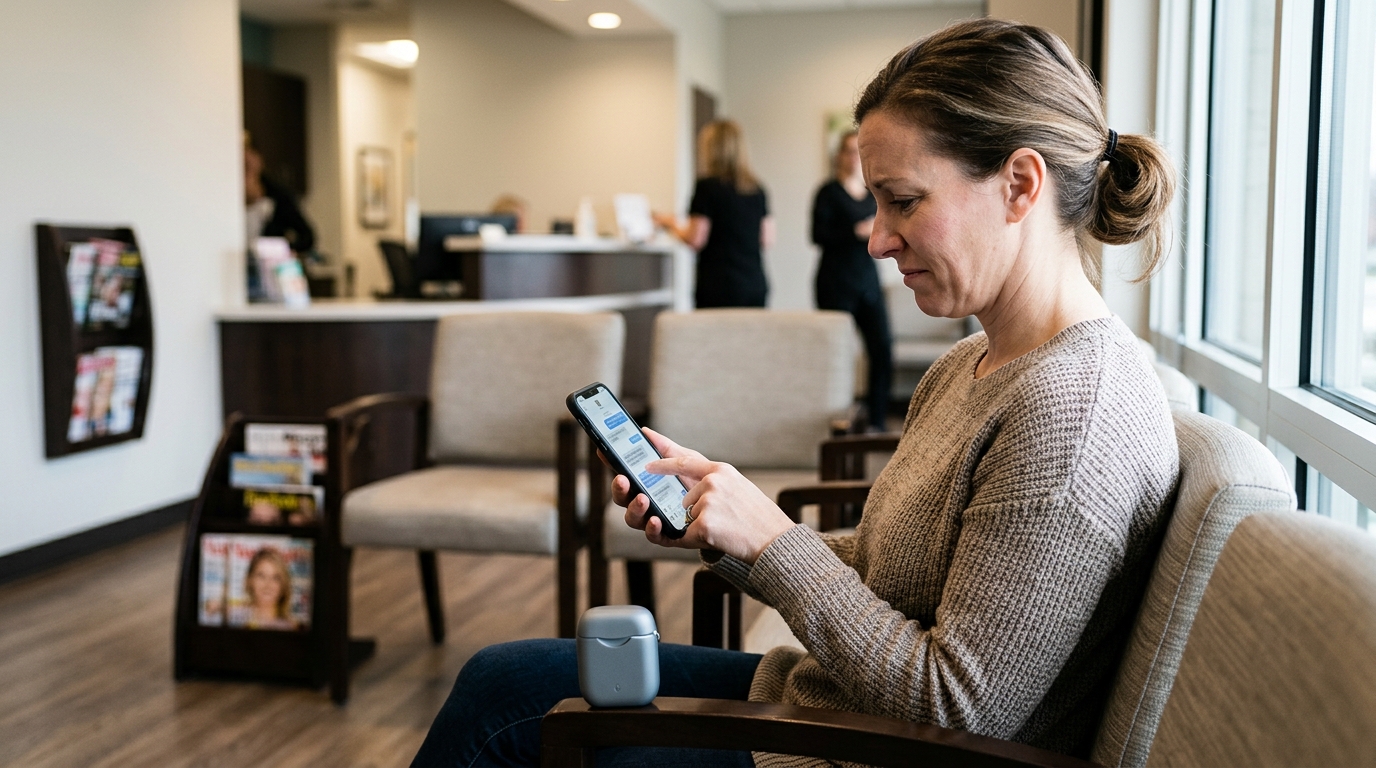
"We aren't mad, Sarah, just surprised given your history of calculus buildup," read one text received by local patient Sarah Jenkins at 10:30 p.m. last Tuesday. "We saw you checked in at a steakhouse on Yelp two hours ago. It's your life, of course. Sleep tight."
According to the clinic, the psychological pressure is carefully calibrated to exploit the unique vulnerability of the patient-dentist relationship, which historically relies on mutual, polite dishonesty regarding hygiene habits.
"Traditional public health messaging—like telling people they will lose their teeth or suffer systemic inflammation—simply does not work," said Dr. Aris Thorne, director of periodontal compliance at Oakridge. "But civil disappointment from an authority figure is an incredibly potent motivator. Patients will tolerate the threat of tooth loss, but they will do anything to avoid a text message that asks, 'Is everything okay? We noticed a three-day gap in your molar-area engagement.'"
The system’s messaging matrix is divided into four tiers of escalation: "Friendly Reminder," "Disappointed Inquiry," "The High Road," and "The Silent Treatment." If a patient ignores the automated prompts for more than 48 hours, the system stops messaging entirely, instead sending a single, low-resolution PDF of an inflamed premolar with the subject line: "Moving on."
"I used to lie to my hygienist twice a year, which was a comfortable, mutually agreed-upon ritual," said Jenkins, who has now flossed for 42 consecutive nights. "Now, if I’m out past midnight, my bathroom counter starts texting me questions about my long-term personal goals. I flossed in the back of an Uber last night just to make my phone stop vibrating."
According to a study published this month in the Journal of Behavioral Dentistry, Oakridge’s method reduced pocket depths among participants by an average of 1.8 millimeters. However, the study also noted a 340% increase in patients reporting vivid nightmares involving Dr. Thorne standing in their closets, holding a tiny dental mirror and sighing.
The clinic plans to expand the program next month to monitor tongue scraping, introducing a smart scraper that automatically forwards a patient's oral pH levels to their emergency contacts if they skip a morning session.
"It’s about community wellness," Dr. Thorne said. "If you won't do it for your breath, you'll do it to keep your sister-in-law from finding out why you're skipping the tongue scraper."